


What Happens in Post-Production: A Guide for Clients
The shoot is the part everyone understands. There are cameras, there are people, there is visible activity. Clients come to set, watch things happen, and leave with a clear sense that a film is being made.
Then there is a gap of several weeks, and a film arrives.
What happens in that gap is, for most clients, almost entirely invisible - which is unfortunate, because a great deal of what determines whether a film works happens there. Post-production is not finishing. It is where the thing is actually assembled, and where most of the decisions that shape how it feels get made.
This is a plain account of what goes on in that period, written for the people paying for it.
The Stages, Roughly in Order
Ingest and organisation
Everything shot gets backed up, catalogued, and made searchable. On a multi-day shoot this can be a significant quantity of material, and how well it's organised at this point affects everything downstream. Unglamorous, and the stage most likely to cause problems later if rushed.
The assembly
An editor works through the footage and builds a rough version - long, unpolished, structurally provisional. The purpose is to find the film inside the material. On interview-led and documentary work this is where the actual shape of the piece gets discovered, which is why it can take longer than clients expect for something that looks unfinished.
The rough cut
The first version a client normally sees. Structure is in place, the narrative works, but it will look visually flat and sound thin - no colour grade, temporary music, unmixed audio. This is deliberate. Reviewing a rough cut means responding to structure and story, not to polish that hasn't been applied yet.
Revisions and the picture lock
Rounds of feedback and adjustment until the edit is agreed. Picture lock is the point where the timing of every cut is fixed. It matters because the stages that follow are all built on that exact timing, changing the edit after lock means redoing work that has already been done.
Colour grade
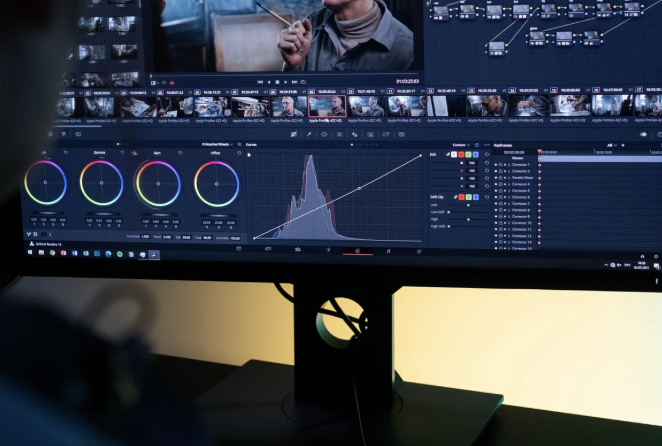
Every shot is adjusted for consistency and then for feel. Grading is why footage from a grey Tuesday can carry warmth, and why shots filmed hours apart appear to belong to the same moment. It's one of the largest contributors to whether a film looks professional, and almost invisible when done well.
Sound design and mix
Dialogue cleaned and levelled, atmospheres built, music placed, everything balanced. Audiences forgive imperfect images far more readily than imperfect sound, a well-shot film with a poor mix reads as amateur almost immediately. This stage does more for perceived quality than most clients realise.
Graphics and titles
Lower thirds, captions, logo treatments, any motion graphics. Usually straightforward, occasionally substantial depending on the brief.
Versioning and delivery
The finished film exported in every format required - different aspect ratios, lengths, subtitled versions, platform-specific specifications. Planned for in advance this is quick. Requested at the end as an afterthought, it can mean reopening work that was considered complete.
Three Things Worth Knowing as a Client
The rough cut is meant to look rough
The most common misunderstanding in post-production is a client watching a rough cut and reacting to its lack of polish. The grade, the mix, the music - none of it is there yet, by design, because applying it before the structure is agreed wastes the work.
The useful questions at rough cut stage are about shape. Does it hold attention? Is anything missing? Does it end in the right place? Questions about colour, pacing of music, or audio levels are better saved for later versions, where they can actually be acted on.
Changes get more expensive as you go
This isn't a commercial policy, it's how the process works. A structural change at assembly stage costs an afternoon. The same change after picture lock means redoing the grade, the mix, the graphics and the versioning - work that was built on the timing that just changed.
Everything downstream of picture lock is built on the edit being final. That's why the lock exists, and why it's worth taking seriously rather than treating as a formality.
Front-loading feedback is the single most effective thing a client can do to keep a project efficient. Involving everyone who has an opinion at rough cut stage, rather than discovering a senior stakeholder's view after the grade, saves more time and money than any other decision available.
Consolidated feedback beats fast feedback
Three separate sets of notes arriving on different days, sometimes contradicting each other, is harder to act on than one considered document arriving two days later. Where feedback conflicts, it's far better for the client to resolve that internally first than for the edit to become the place where an internal disagreement plays out.
Why This Stage Deserves Its Budget
Post-production is frequently the first thing compressed when a schedule slips, because the shoot date is fixed and the deadline is fixed, and post sits between them absorbing the difference.
This is understandable and almost always a mistake. The shoot produces material. Post-production produces the film. A well-shot project with rushed post looks worse than a modestly shot project finished with care, and clients watching the result have no way to know which happened. They just see the film.
If something has to give in a tight timeline, it's usually better to lose a shoot day and protect the finish than the other way round.
Thinking through a project and want to understand the process properly? Happy to talk through how any of this would apply to what you're planning - get in touch.


