


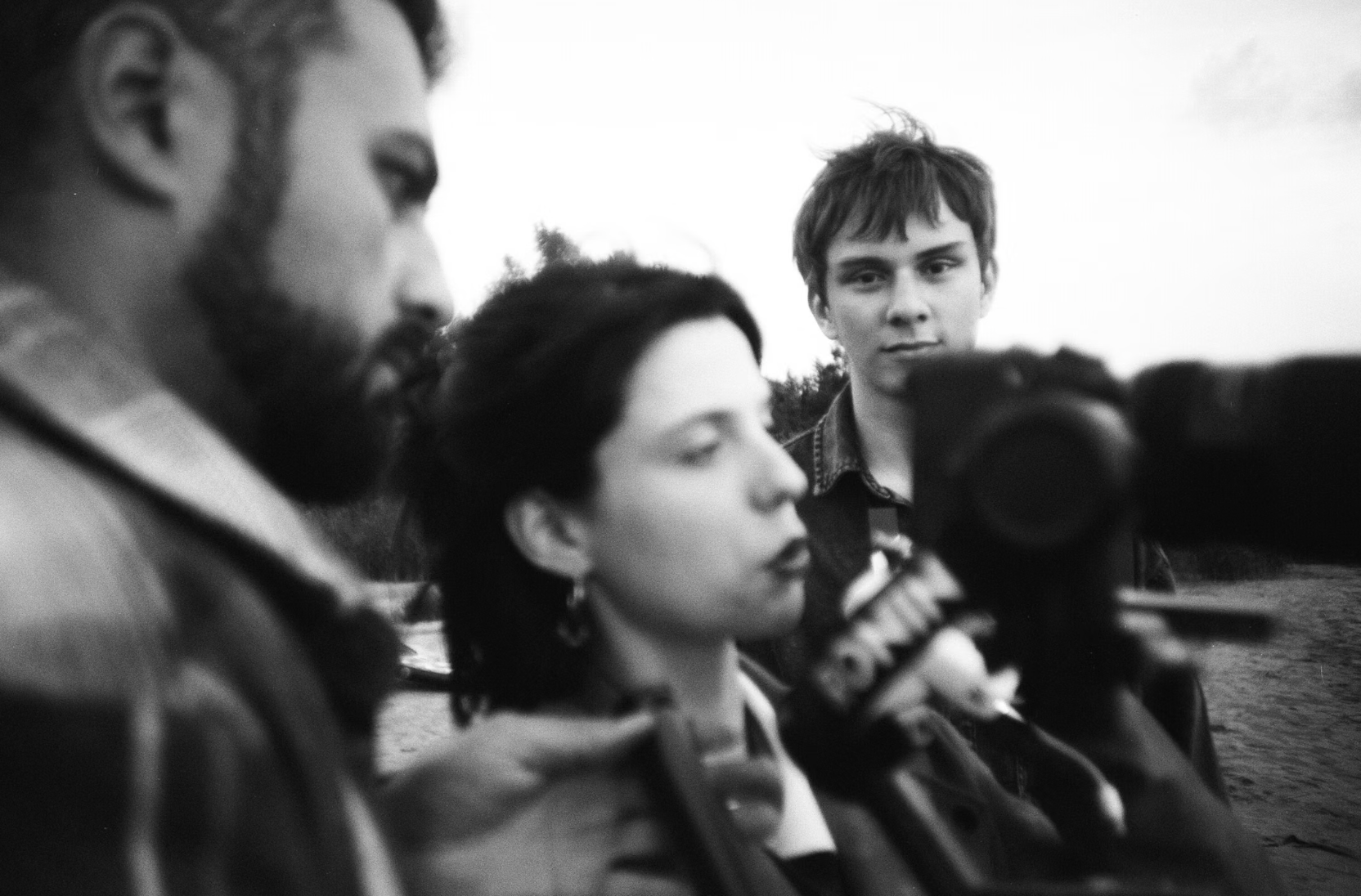
Documentary-Style Content: Great Tool in B2B Marketing
Most B2B video content is built on an unspoken assumption: that the job of the content is to persuade. To explain the value proposition, address objections, and move a prospect toward a decision. It is a reasonable assumption, and it produces a great deal of competent, forgettable content.
Documentary-style content operates on a different premise entirely. Its job is not to persuade but to reveal, to show something true about a business, an industry, a process, or a group of people, with enough honesty and craft that the audience draws their own conclusions.
Why Documentary Works Where Advertising Doesn't
B2B buyers are among the most advertising-literate audiences there are. They recognise persuasive structures instantly and discount them accordingly. A video that opens with a problem statement, introduces a solution, and closes with a call to action is legible as advertising within about four seconds.
Documentary content bypasses that defence, not through trickery but because it isn't doing the thing the defence exists to guard against. When a business shows the actual process behind how something is made, the genuine difficulty of a problem its customers face, or the real people doing the work - without a sales frame, the audience relaxes into watching rather than evaluating.
What Documentary-Style Content Actually Looks Like
Process films
Showing how something is genuinely made, built, tested, or delivered. For manufacturers, engineering firms, and businesses with sophisticated operational capability, a process film communicates competence more convincingly than any specification sheet. It also conveys scale, care, and expertise, qualities that are difficult to assert credibly but easy to demonstrate visually.
Customer story documentaries
Distinct from a testimonial video in a crucial way: a testimonial is about your product, a documentary is about your customer. The former asks a client to praise you. The latter follows their situation, their challenge, and how it resolved - with your involvement present but not centred.
Industry and issue films
Content that explores a challenge facing your sector - a regulatory shift, a technological change, a shared operational difficulty, with genuine journalistic curiosity rather than a positioning agenda. This is the most ambitious form of documentary content for B2B brands and the one that builds the deepest authority when done with real integrity.
People and craft films
Portraits of the individuals whose skill and judgement underpin the business. Particularly powerful for professional services, specialist manufacturing, and any category where the quality of the people is the product.
What Separates Genuine Documentary From Branded Content Pretending
The documentary aesthetic - handheld camerawork, natural light, unscripted interviews, observational editing, has been widely adopted by brands producing content that is structurally still advertising. Audiences recognise the difference, and the gap between the two is worth being precise about.
- Genuine documentary allows for difficulty. If nothing in the film is hard, unresolved, or uncomfortable, it is not a documentary. Businesses willing to show the genuine challenge of what they do earn credibility that sanitised content never accesses.
- The subject is not the brand. In real documentary content, the business is the lens, not the subject. The moment the film becomes about how good the company is, the form collapses back into advertising.
- Contributions are not scripted. People speak in their own words, including imperfectly. Polished delivery signals performance; natural delivery signals truth.
- The conclusion is not predetermined. Documentary filmmaking involves discovering what the story is during production, not illustrating a message decided in advance.
When Documentary Is the Right Choice - And When It Isn't
Documentary-style content is not universally appropriate. It works best when:
- Your business has genuine substance to show, real craft, real complexity, real people doing demanding work
- Trust and credibility are the primary barriers to purchase in your category
- Your sales cycle is long enough for brand-building content to influence decisions
- You are willing to be honest, including about difficulty
It is the wrong choice when you need direct response, when the budget cannot support the time documentary requires, or when the business is not genuinely comfortable with the honesty the form demands.
The Production Reality
Documentary production differs meaningfully from conventional commercial production. It typically requires more shooting time relative to finished runtime, because genuine moments cannot be scheduled. It requires a director with the judgement to recognise what matters as it happens. And it requires a client willing to accept that the final film may not say exactly what they expected it to say.
That last point is where most documentary projects succeed or fail. The brands that get the most from the form are those that engage with it as a genuine act of inquiry rather than a stylistic choice applied to a predetermined message.
Got something genuinely worth showing? Documentary-style content is some of the most rewarding work we make at Horizon Collective, and some of the most commercially effective for the brands we make it with. If you think your business has a story that deserves this treatment, let's talk.
FAQs
How long should a brand documentary be?
Longer than most brand content, and the length should be determined by the story rather than a predetermined format. Five to twelve minutes is common for substantial documentary pieces, with shorter cuts produced for social distribution. Audiences will watch long-form content if it genuinely earns their attention, the constraint is quality, not duration.
What does documentary-style production cost compared to conventional video?
Generally more per minute of finished content, because the shooting ratio is higher, more footage is captured relative to what is used. A documentary piece typically ranges from £15,000–£60,000 depending on scope, access requirements, and how much time is needed to capture genuine material.
How do you measure the return on documentary content?
Primarily through engagement depth rather than reach - completion rates, time watched, and qualitative feedback tend to be more meaningful than view counts. Longer-term, documentary content influences pipeline through its use in sales conversations and its effect on brand perception among decision-makers, which surfaces in consideration rates and deal velocity rather than immediate attributable conversion.
Can smaller businesses produce documentary-style content?
Yes - and smaller businesses often have an advantage, because the people and craft at the centre of the story are more accessible and the organisational willingness to be honest is frequently greater. A well-made documentary piece about a small specialist business can be more compelling than an expensively produced film about a large one with less to reveal.


